
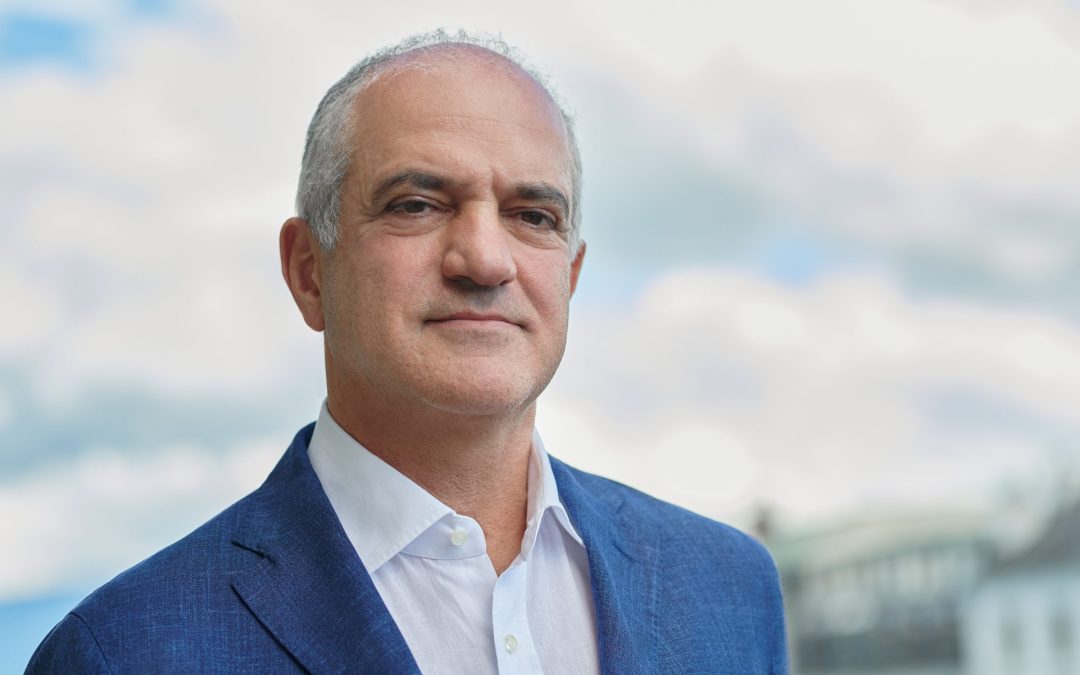
Born in Beirut, Lebanon, Philippe Jabre is best known as the Founder of Jabre Capital Partners, an independent wealth management firm and multifamily office he continues to preside over as CIO and CEO. This article will take a closer look at the role of CIO, an integral component in any family office to help manage investment strategies and portfolios.
In recent years, with increasing opportunities for wealth generation and a greater focus on generational wealth, the role of Chief Investment Officer has changed significantly. Whereas traditionally the CIO’s main focus was managing the family’s investments, latterly CIOs are expected to be much more strategic in their advice and execution. The attached video delves deeper into the topic of family offices and their role safeguarding and growing generational wealth.
More than just portfolio managers, CIOs have diverse responsibilities in the family office setting. Rather than focusing solely on ensuring that portfolios perform as expected, today’s CIOs work with families to develop a long-term vision for their wealth. More than just a numerical goal, that vision also assesses how investment opportunities align with the family’s personal and cultural values, delineating the impact they want to make on the world. Once that vision has been established, the CIO has a firm foundation for creating a sound investment strategy. The attached infographic takes a closer look at the world of investing in 2025, providing some interesting global statistics.

Economic headwinds, tightening regulations, increased geopolitical tensions and other broader global issues have made markets more volatile. To meet wealth creation goals, CIOs must be able to navigate these challenges while safeguarding and growing the family’s portfolio. This requires a deep understanding of risk management, as well as an ability to develop long-term models to protect multigenerational wealth. To succeed in the modern world, CIOs must not only have a comprehensive understanding of traditional investments, but they must also stay abreast of trends and opportunities in new asset classes, such as private equity and cryptocurrency.
Succeeding as a CIO requires excellent relationship management skills along with an analytical and strategic mindset. CIOs must be adaptable, enabling them to pivot strategies quickly in volatile environments and stay ahead of market trends. They must be technologically savvy, recognising that platforms driven by AI and data analytics are more than just trends, but the future of investing. Essentially, they serve as custodians, working with families who think in generations, helping them to enhance stewardship, preserve legacy, and position the enterprise for long-term success.
